

Pollinator
Patch

Patch By Patch – The pollinator movement is growing in TBM!
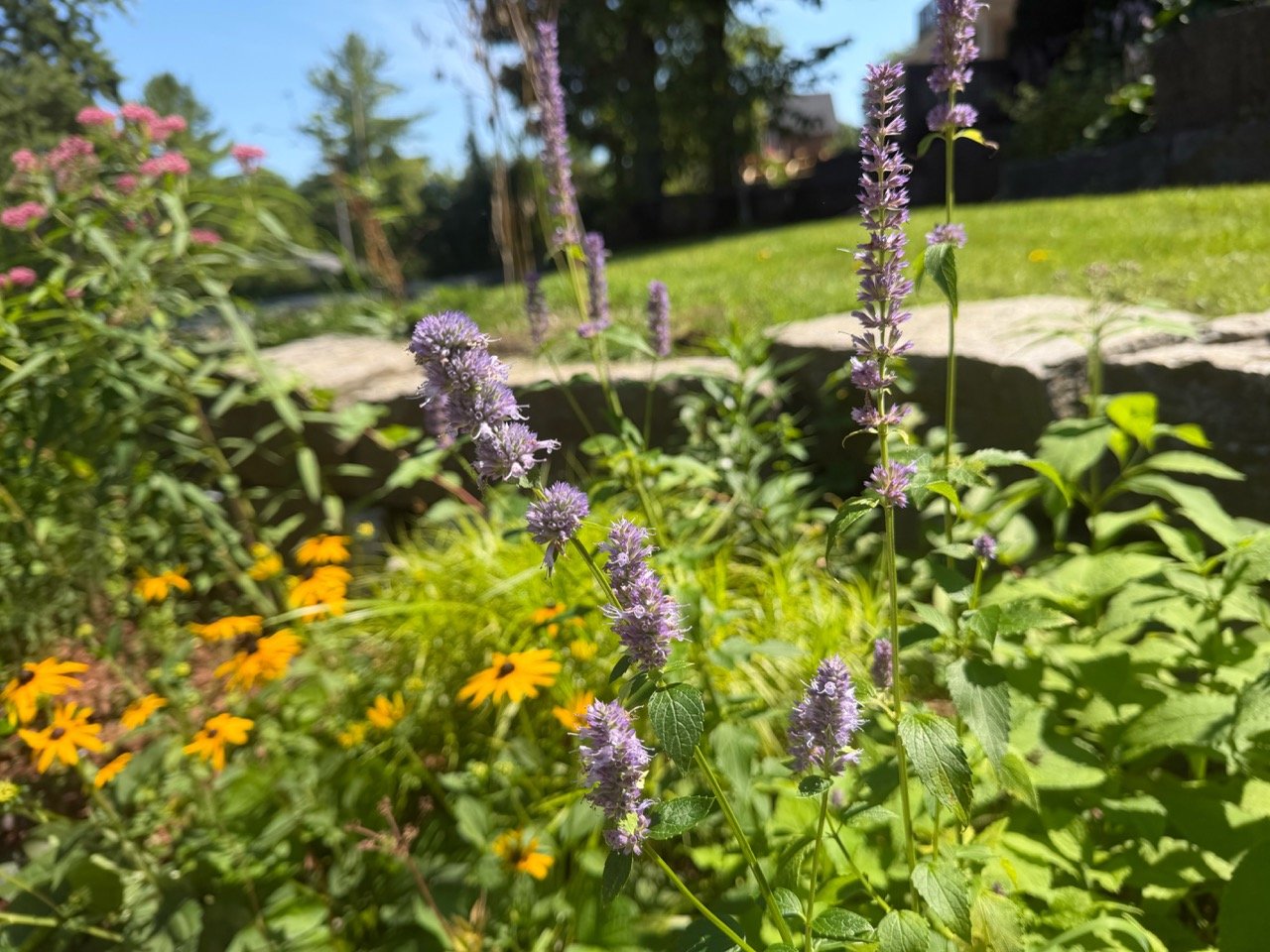
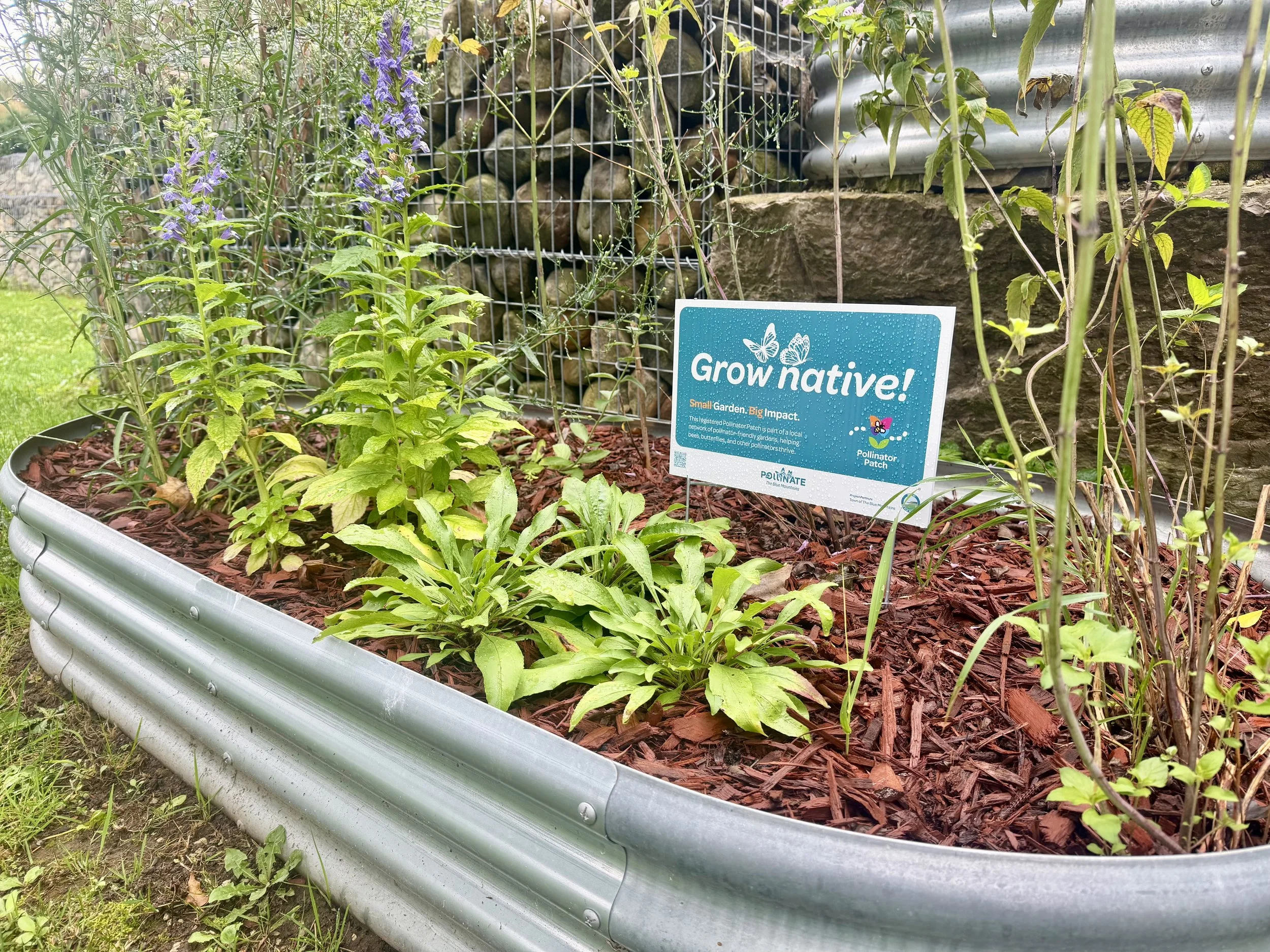
Native plant gardens are popping up across The Blue Mountains-and every new patch helps feed bees, butterflies, and other pollinators. Register your Pollinator Patch to celebrate your garden, inspire your neighbours, and help show how this community-wide movement is growing.
PTBM launched the Pollinator Patch program in June 2026 with an adoption event where 30 families took home trays of native pollinator plants. This summer, more than 40 gardens are displaying Pollinator Patch signs, showing that residents are “Growing Native” and making room for flowers, colour, and wildlife right at home. Participants are already noticing more butterflies, bees, and other beneficial insects—and because native perennials return year after year, each patch can keep getting stronger with time.
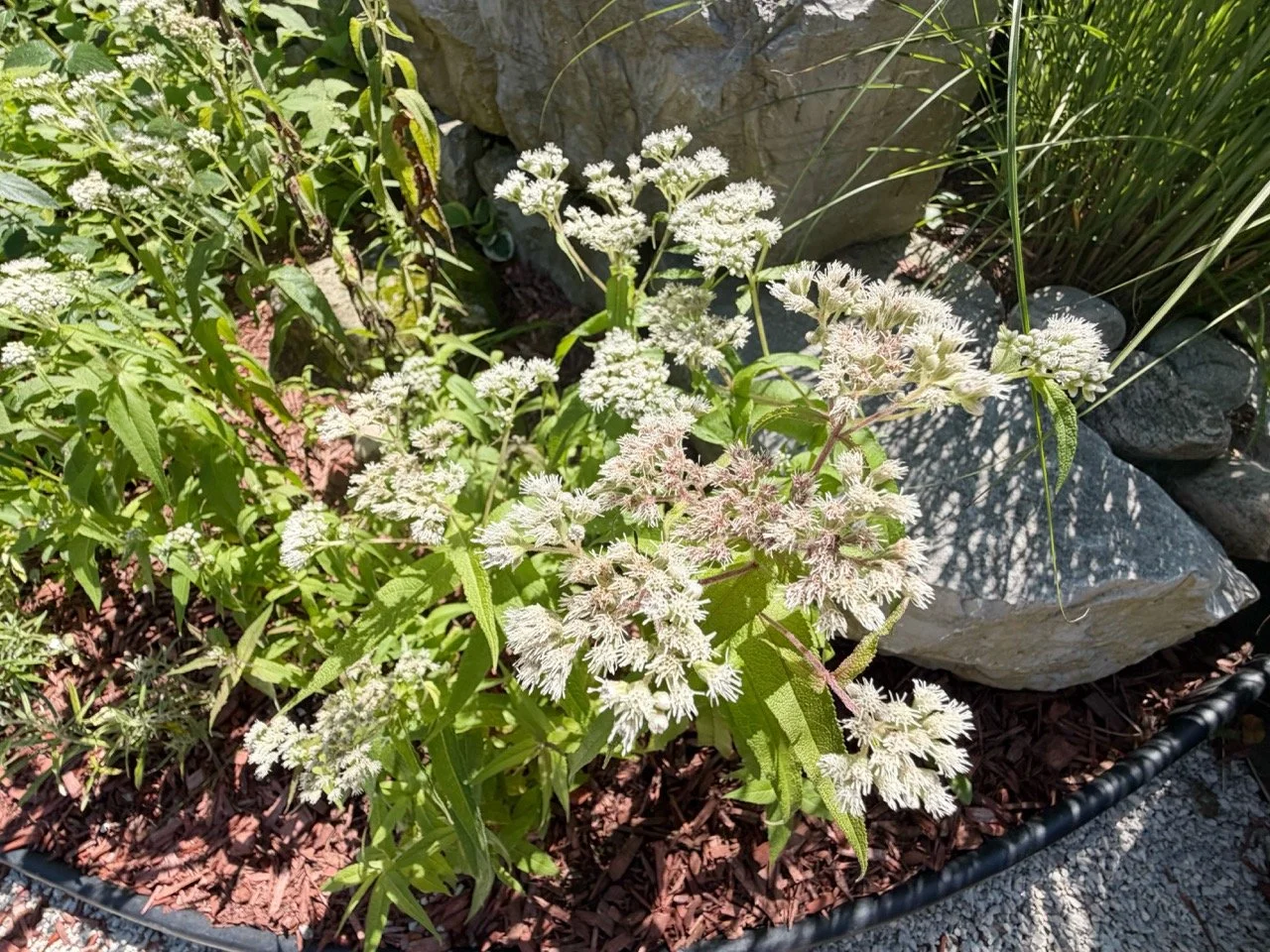
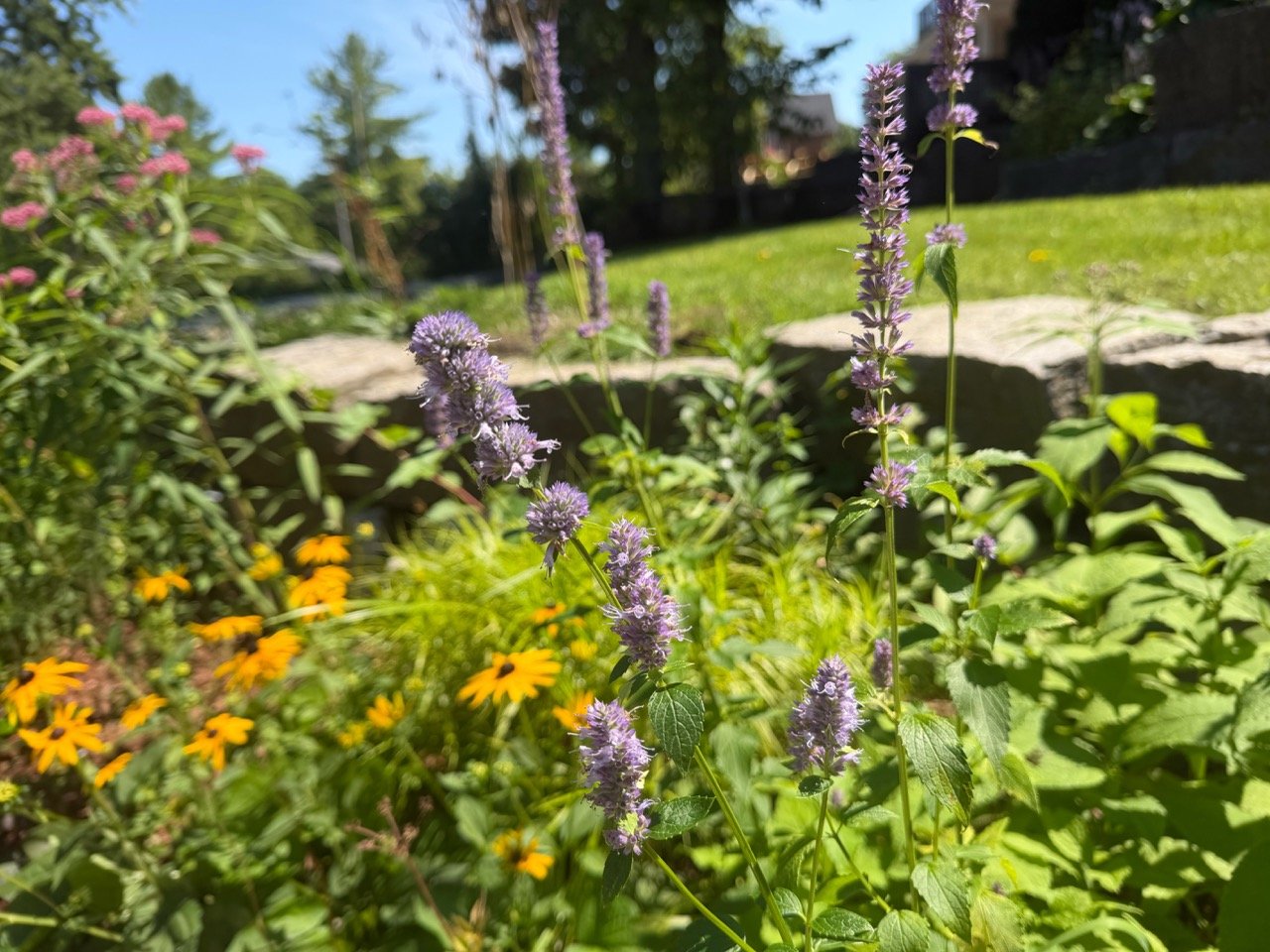
To qualify as a Pollinator Patch, a garden area must contain at least 12 native plants suitable for the region and gardeners are encouraged to enhance their Pollinator Patch by expanding the garden and further adopting eco-responsible practices
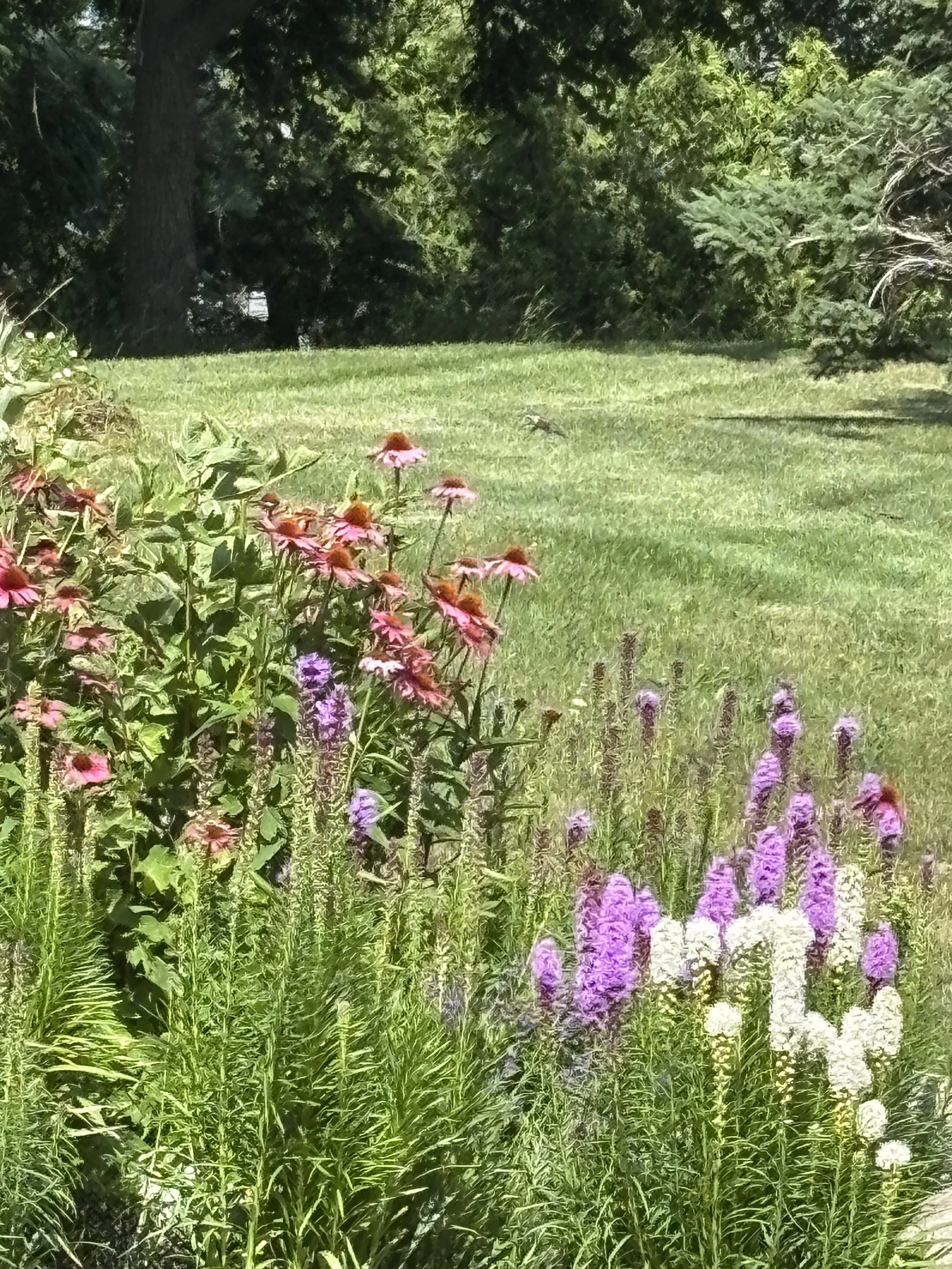
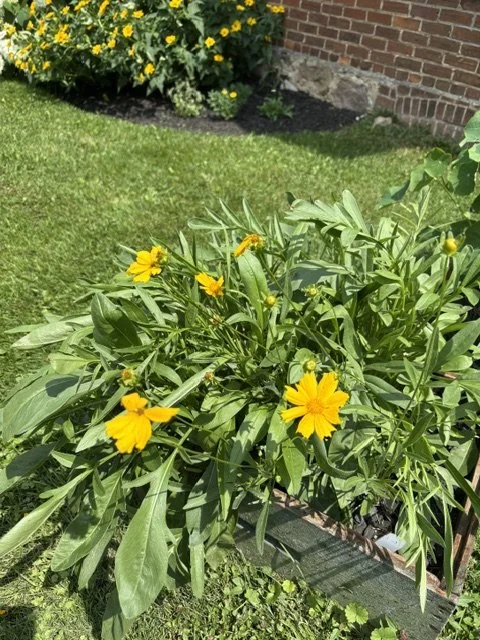
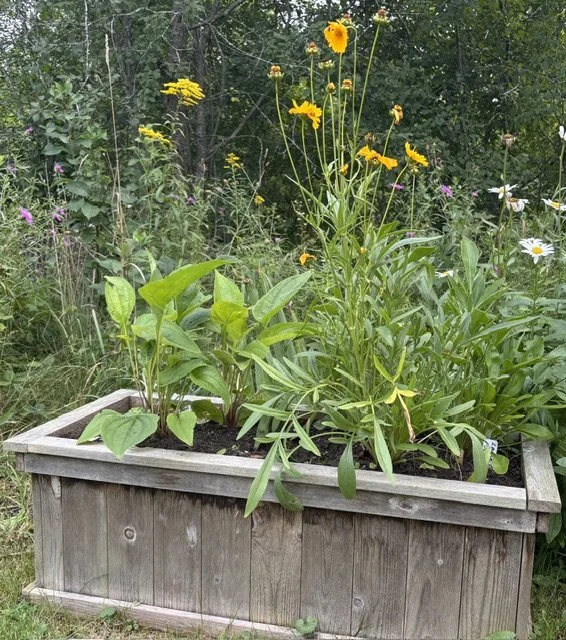
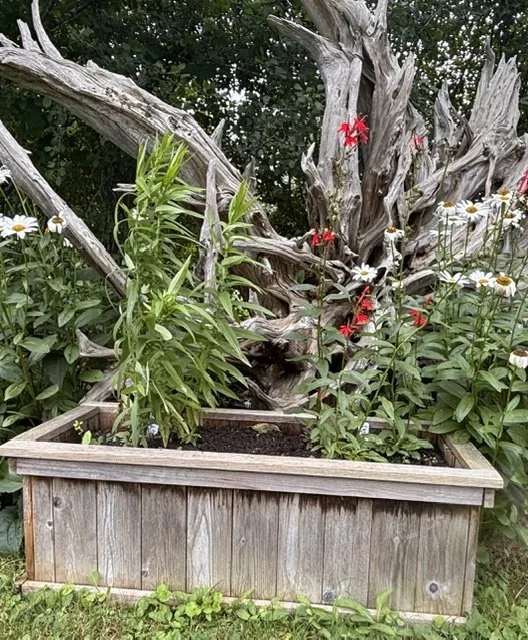
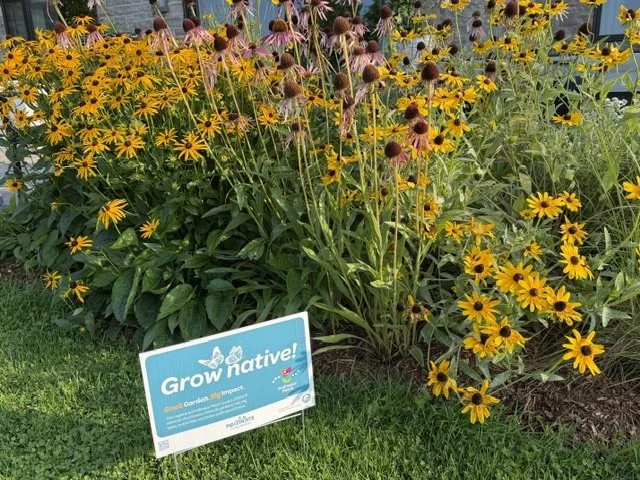
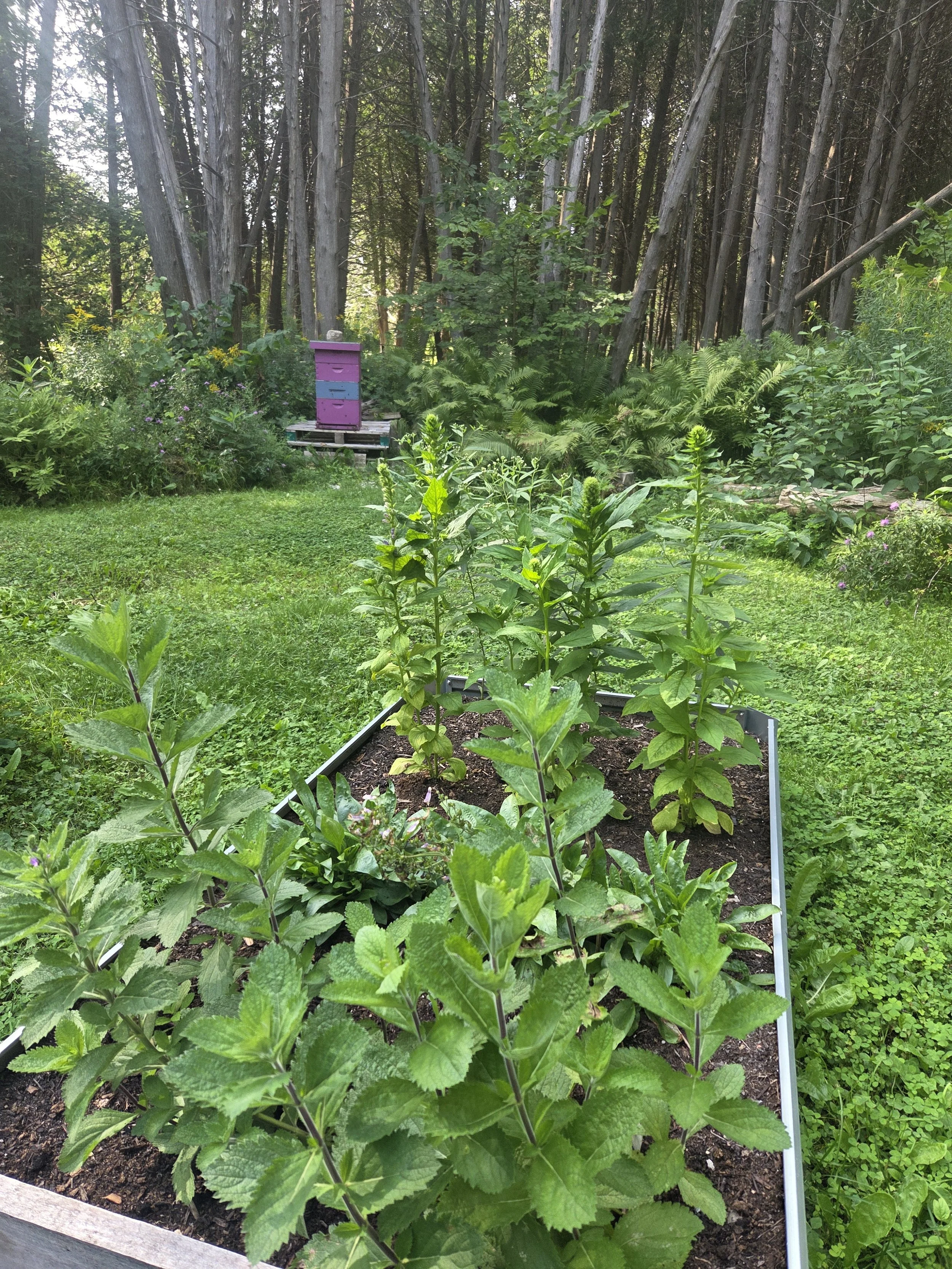
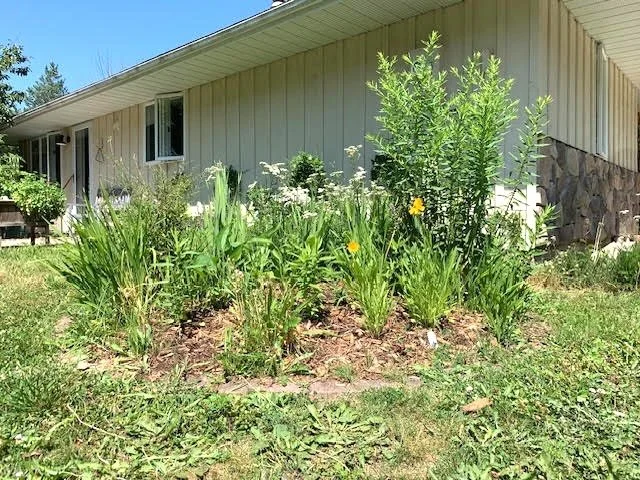
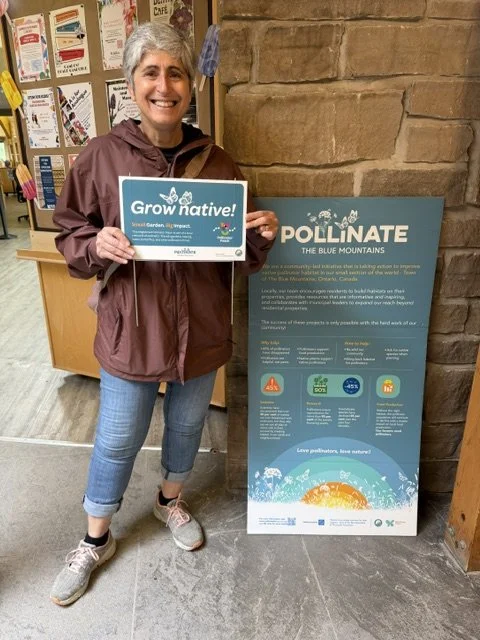
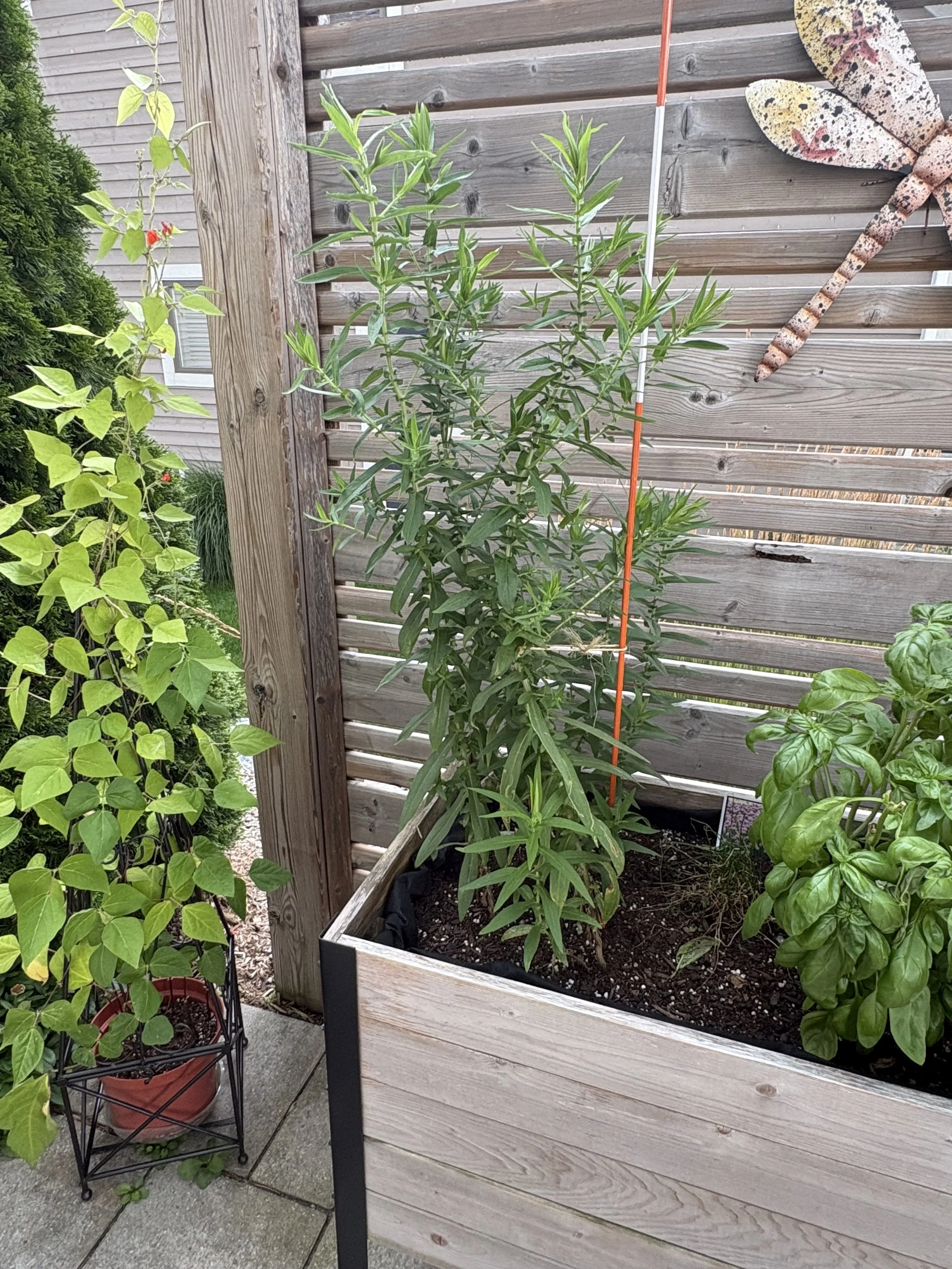
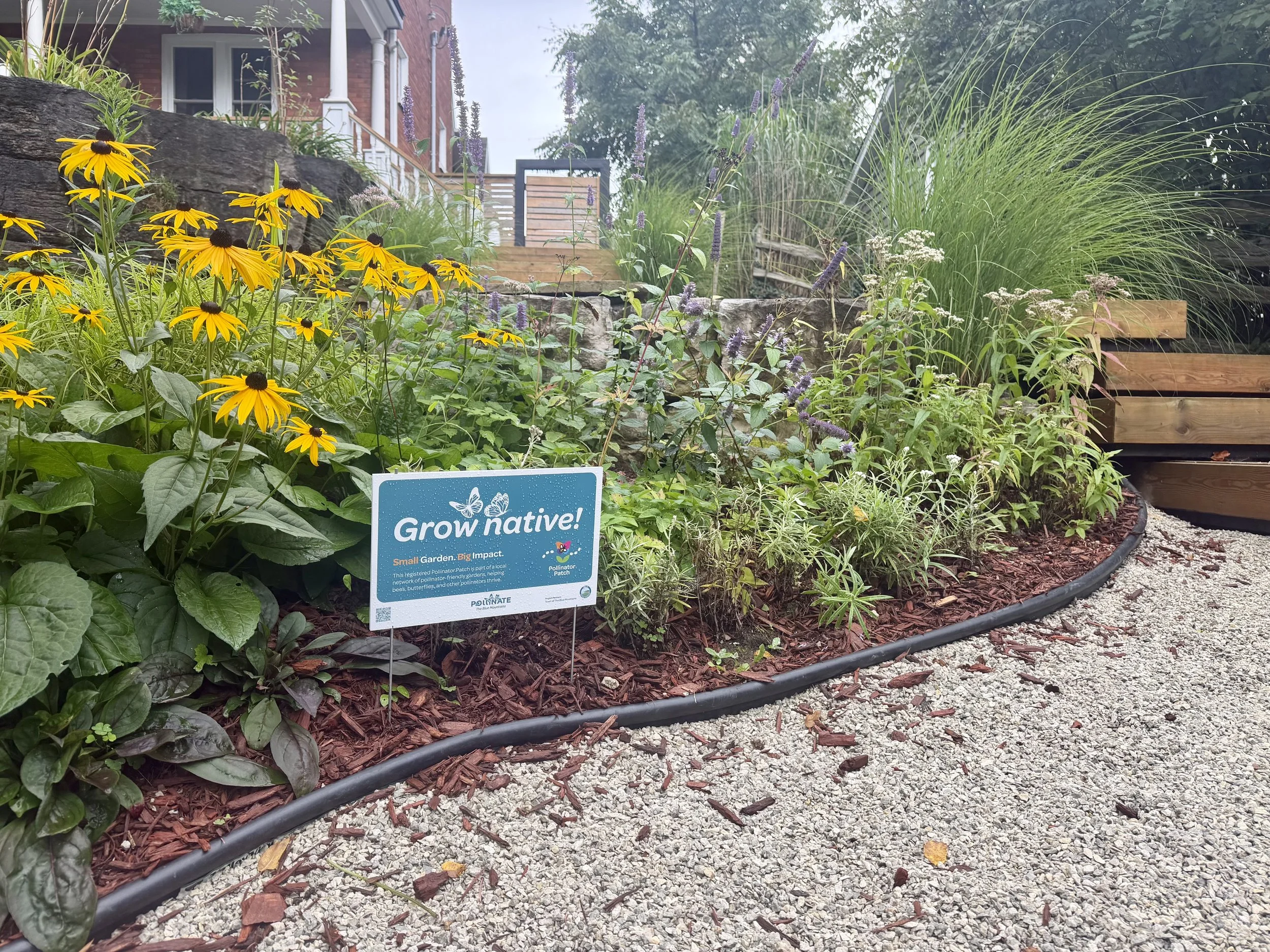
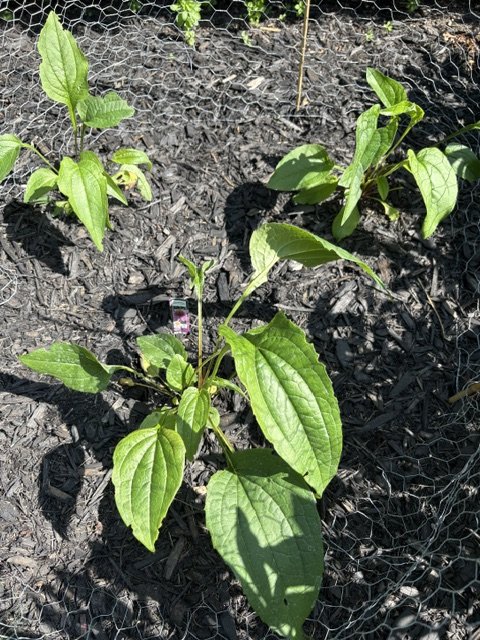
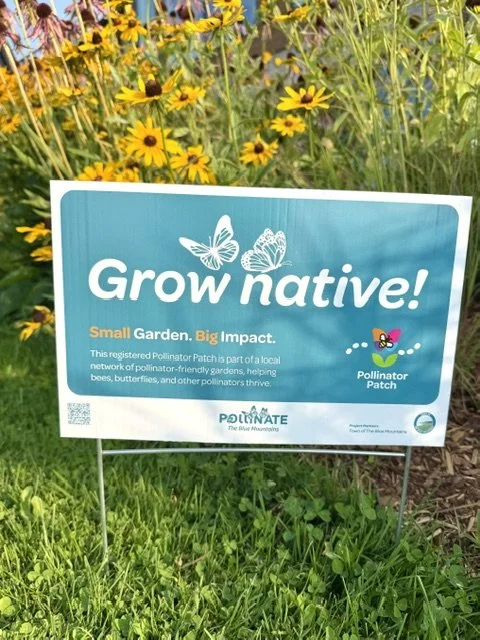
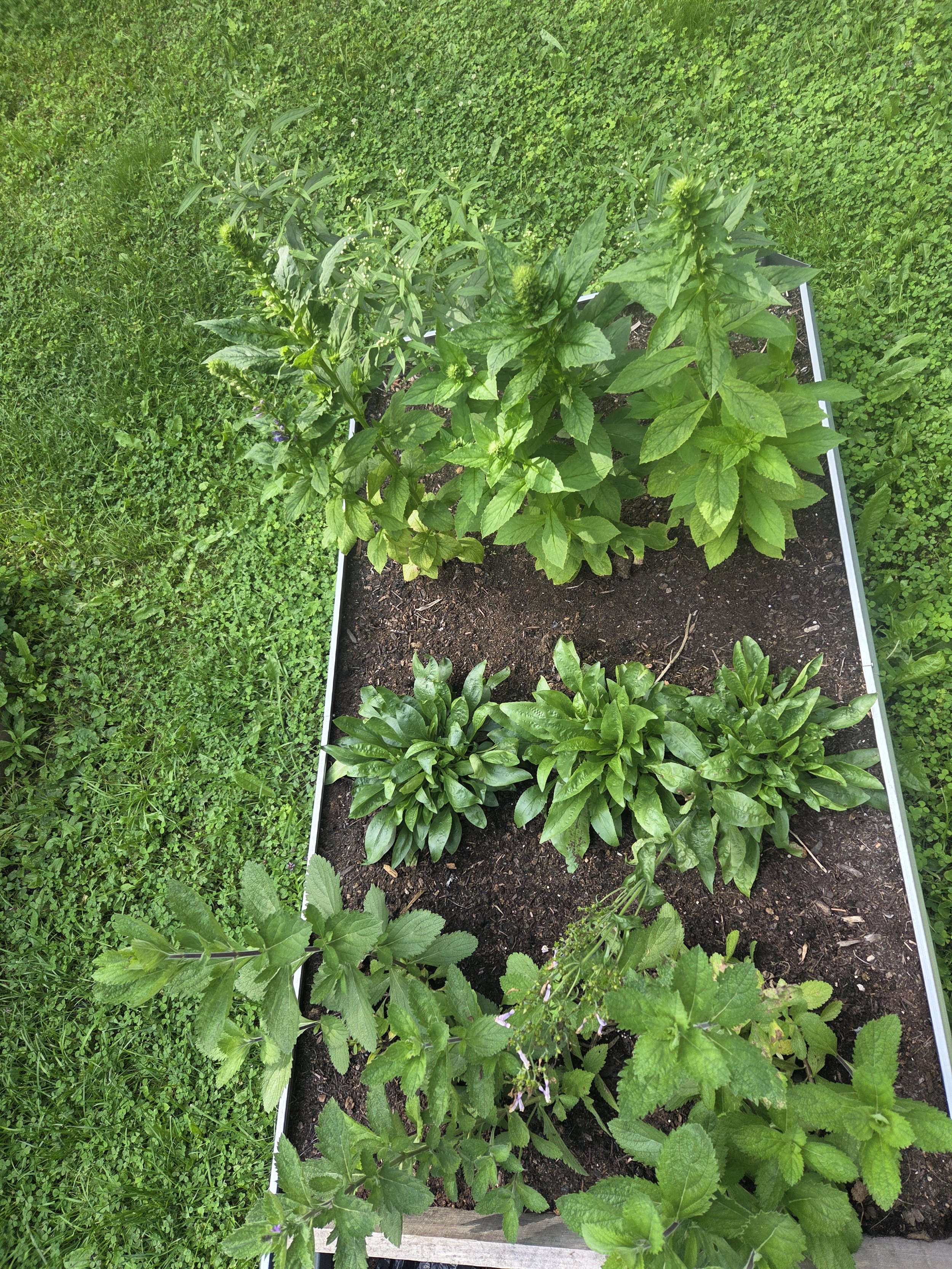
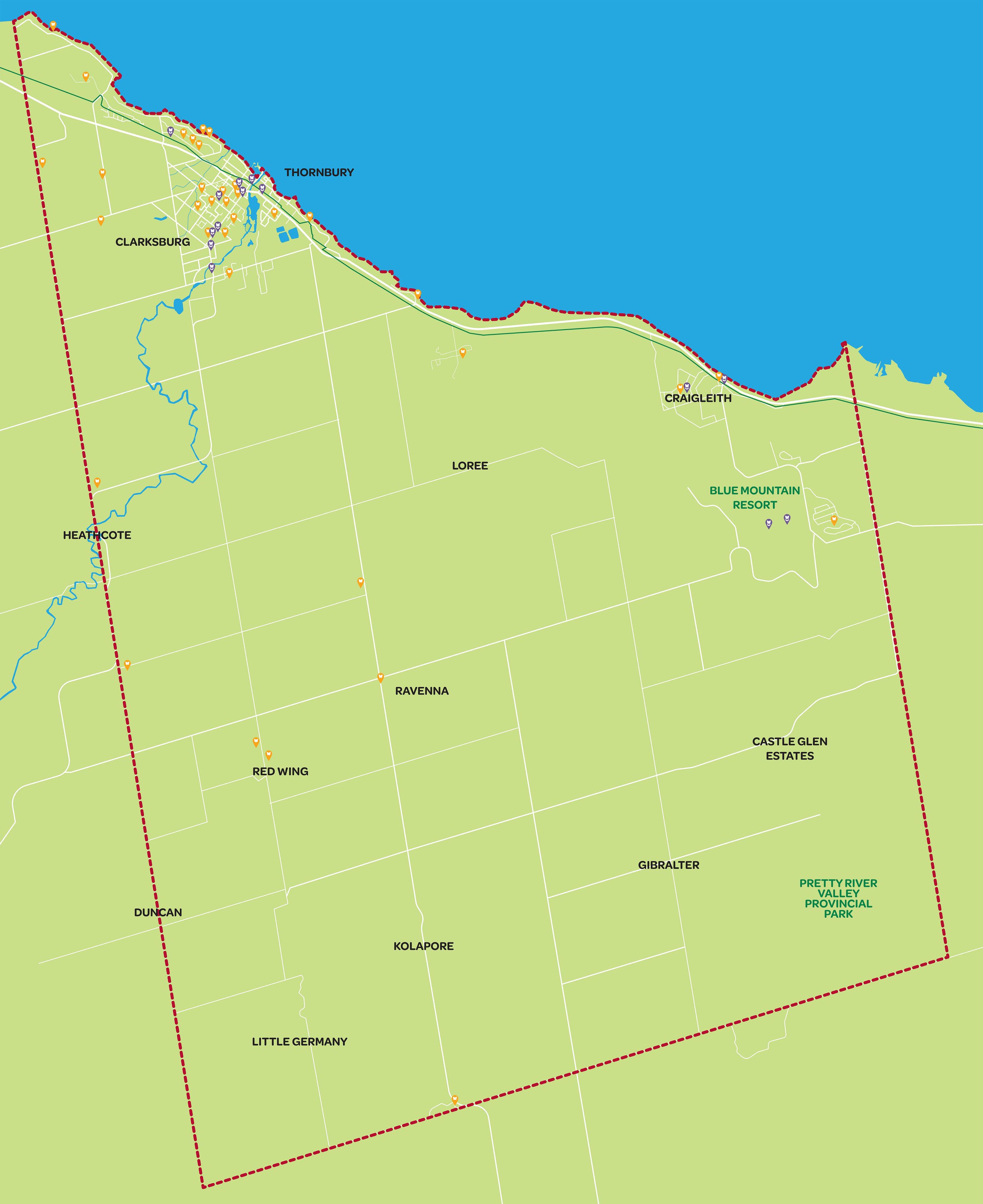
Hover over the map for a closer look
How to Register Your Pollinator Patch
Your garden does not need to be large or formal. To qualify, it should include at least 12 native plants suited to this region, such as perennials, shrubs, or trees. Refer to “Our Extended Native Plant List” on this website or other reputable Ontario native plant lists.
Check that your garden includes at least 12 native plants that support pollinators.
Email pollinateTBM@gmail.com to request to register your garden, receive a sign, and join the seasonal newsletter list.
Gardener Tip
Helping Native Plants Survive Winter in Containers
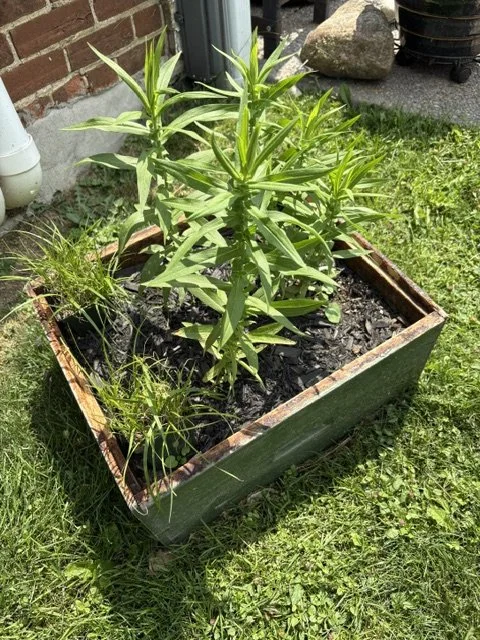
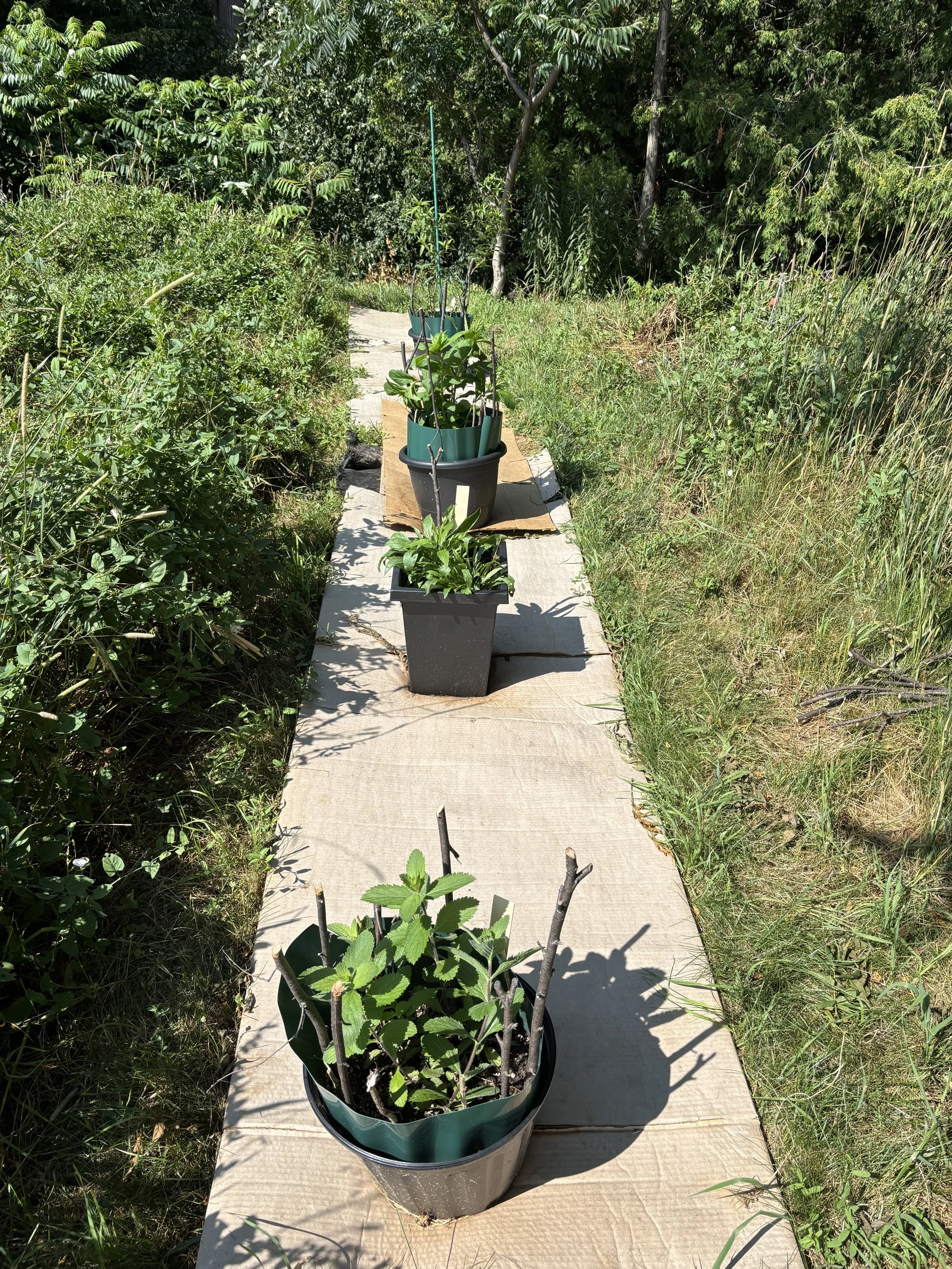
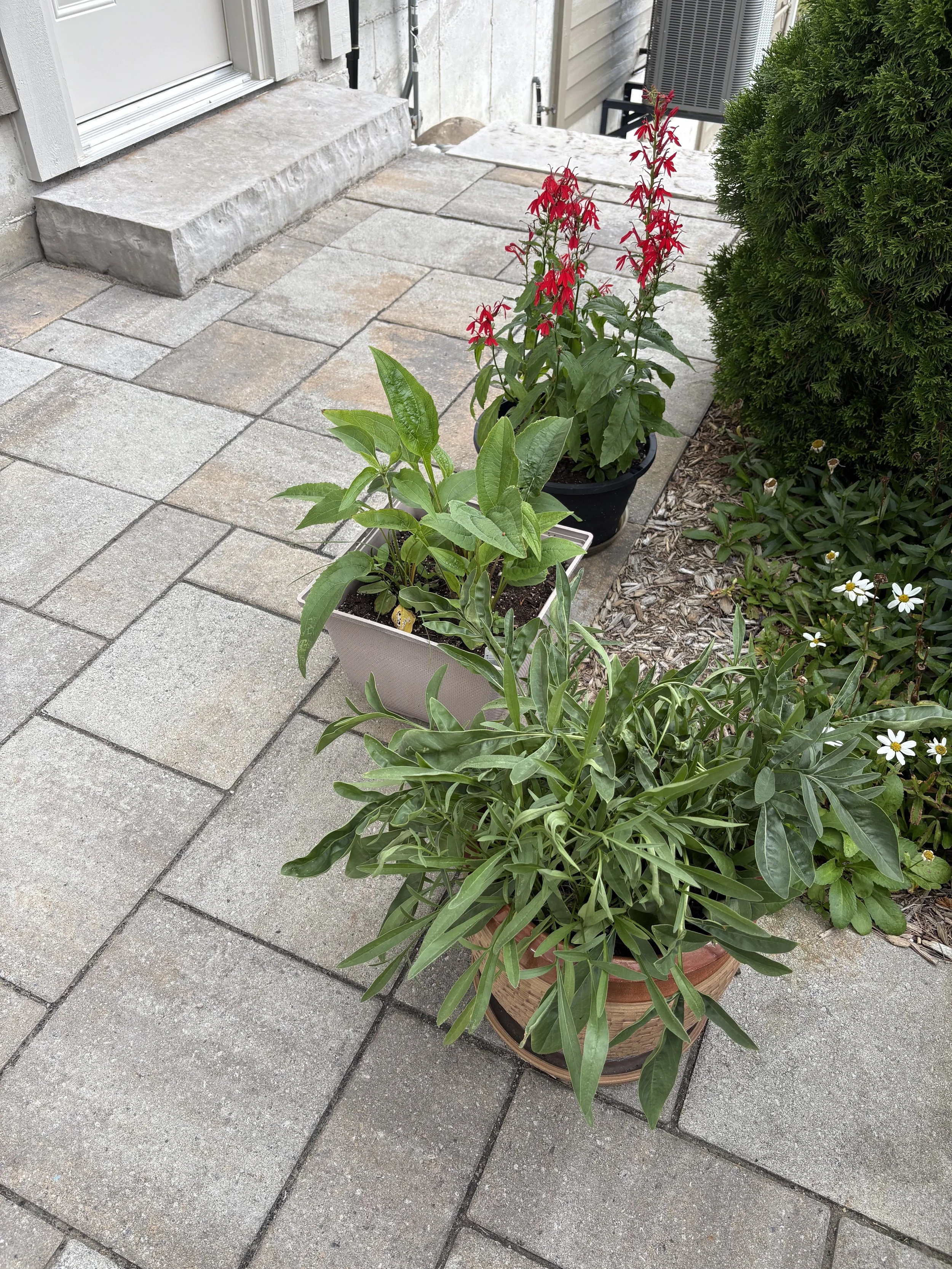
Native plants can grow beautifully in containers, making them a great choice for balconies, patios, small yards, and front steps. The challenge comes in winter: roots in pots are more exposed to freezing, thawing, wind, and temperature swings than roots planted in the ground.
For the best chance of success, plant container-grown native perennials into the garden in early fall, before regular hard frosts arrive. Water them well for the first couple of weeks and mark the spot so you can find them again in spring if you want to move them back into containers.
If planting them in the ground is not possible, move containers to a sheltered outdoor spot close to a building and out of the wind. Larger pots, insulation from leaves or straw, and protection from harsh exposure can help reduce winter stress, but plants may still be less protected than they would be in garden soil.